Need care?Book Appointment Help another petDonate
CARE AFTER SURGERY

Help Your Pet Heal

Spay Oklahoma’s current postoperative instructions cover the first night, incision care, complications, feeding, and activity during the 14-day recovery period.

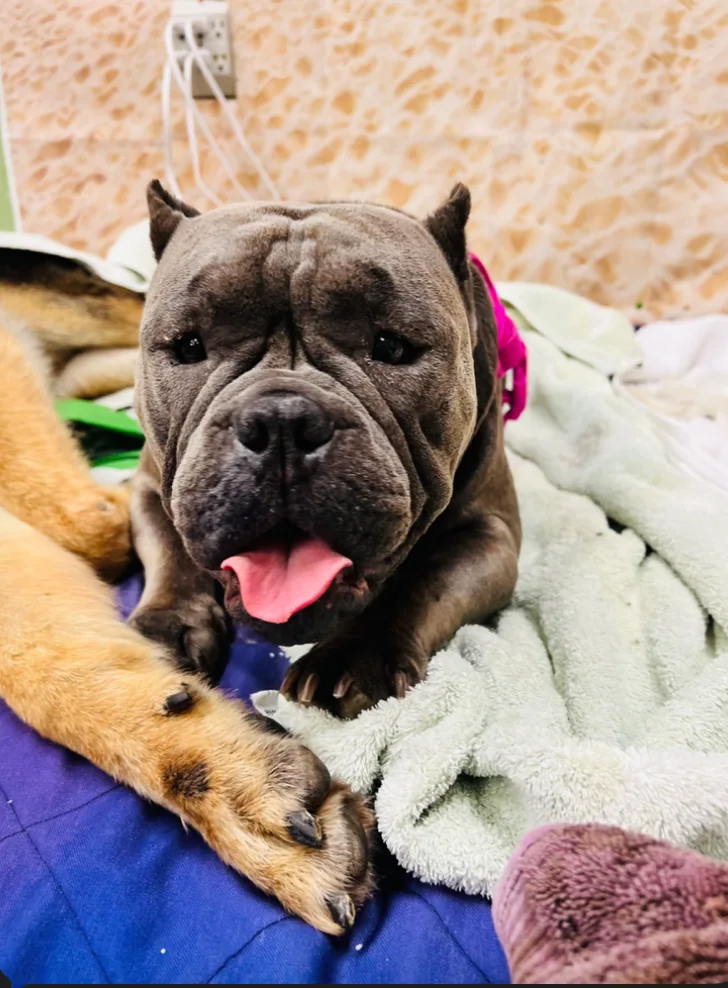
Dog resting during recovery

Help Your Pet Heal Video

Watch Spay Oklahoma’s postoperative healing video for guidance on helping your pet recover after spay/neuter surgery.

picture_as_pdfVIDEO AND FLYER

Help Your Pet Heal Flyer

Review helpful recovery tips for the next 10 to 14 days.

Download Flyer
WHAT TO EXPECT

When you bring your pet home

  • Active dogs may experience slight swelling for up to 7–10 days after surgery.
  • Keep your pet confined in a crate or small room the night after surgery.
  • Grogginess from anesthesia can last 18–24 hours; most animals return to normal once anesthesia fully leaves the system.
  • Your pet may sleep much more than normal for 18–24 hours.
  • Some pets may be agitated or aggressive after anesthesia, so avoid excessive handling.
  • Keep the recovering animal away from children and other pets until the anesthesia effects wear off.
  • Poor balance can make stairs and getting in or out of a car difficult. Assist dogs carefully so sudden movement does not stress the incision.
  • Give cats a quiet, secure, confined place to sleep and recover.
  • Spay Oklahoma provides 24/7 aftercare through the phone number given at checkout. Follow that documented aftercare system before seeking outside care for a surgery-related concern.
POTENTIAL COMPLICATIONS

Call if you see concerning symptoms.

Minimal redness and swelling should improve within several days. Contact Spay Oklahoma during clinic days if redness or swelling persists or if you see any of the following:

  • Pale gums
  • Vomiting
  • Diarrhea
  • Discharge or bleeding from the incision
  • Difficulty urinating
  • Labored breathing
  • Decreased appetite
  • Lethargy lasting more than 24 hours

Spay Oklahoma states that it will re-check surgery-related complications at no charge, though medication or an e-collar may have a small cost. Illnesses or injuries not directly caused by surgery should be handled by your regular veterinarian.

INCISION SITE

Check once daily for one week.

  • A very small amount of redness or swelling can be normal; there should be no drainage.
  • If your pet allows it, look for excessive redness, swelling, discharge, blood, or an open incision.
  • Do not clean the incision or apply topical ointment unless instructed.
SUTURES

Most sutures are internal and absorbable.

  • Absorbable sutures can cause swelling 7–10 days after surgery.
  • Unless told otherwise, pets do not have external sutures; male cats do not have sutures.
  • The outer skin layer is generally closed with surgical glue.
  • If your pet has skin sutures or staples, the live site says to return in 14 days, between 10 a.m. and 2 p.m., for removal without an appointment.
TATTOO

A small green line identifies altered pets.

  • Female cats, female dogs, and male dogs receive a small green line tattoo near the incision.
  • The tattoo is a recognized sign that the pet has been spayed or neutered.
  • Male cats generally do not receive the tattoo.
FEEDING

Reintroduce food and water slowly.

  • Anesthesia can cause nausea, so pets may not want to eat right away.
  • Offer a small amount of water 2–3 hours after leaving, then a small amount of food 1–2 hours later if water is tolerated.
  • Do not change diets or give table scraps, milk, or other people food for one week.
  • Appetite should gradually return within 24 hours.
IF YOUR PET WAS IN HEAT

Keep females away from unneutered males.

For at least two weeks after surgery, keep a female dog or cat that was in heat away from intact males. She cannot become pregnant after surgery but may still attract males for a short time.

ACTIVITY

Protect the 14-day healing period.

  • No running, jumping, playing, swimming, or strenuous activity.
  • Keep pets indoors, clean, dry, and warm.
  • Do not bathe or groom your pet during recovery.
  • Dogs should go outside only for short leash walks.
  • Non-feral cats should remain indoors.
  • Keep pets away from hazards, including stairs.